Special Reports: Uncovering Ireland's Stories
Dive deep into the issues shaping Ireland and the world with our in-depth investigative journalism and comprehensive analysis. The Irish Chronicle is committed to bringing you the stories that matter, with clarity, rigor, and a focus on the truth.
Investigative Series: The Future of Irish Agriculture
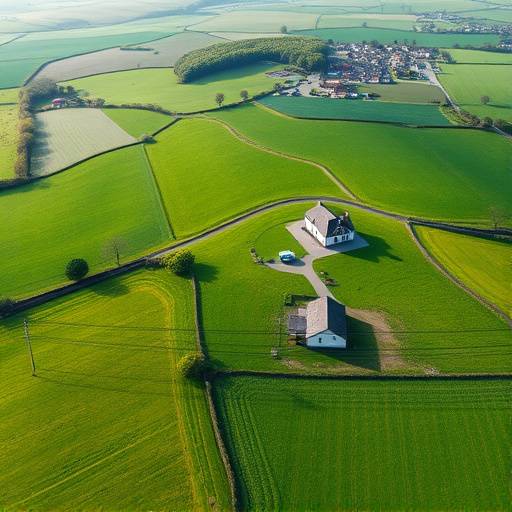
Part 1: Climate Change and Crop Yields
Ireland's agricultural sector, a cornerstone of its economy and cultural identity, faces unprecedented challenges. This series begins by examining the tangible impacts of a changing climate on our nation's farms. Rising temperatures, unpredictable rainfall patterns, and increased frequency of extreme weather events are no longer distant threats but present realities. We speak with leading climatologists and agricultural scientists to understand the projections for crop yields, livestock health, and the economic viability of traditional farming methods.
Dr. Aoife O'Connell, a senior researcher at Teagasc, states, "The data is unequivocal. We are seeing shifts in growing seasons and an increased risk of both drought and flooding. Farmers need innovative strategies and robust support systems to adapt. The very essence of Irish farming, which has sustained generations, is at stake if we fail to act decisively."
Our investigation delves into:
- Historical climate data and its correlation with agricultural output.
- The impact of new pest and disease pressures attributed to warmer climes.
- Government initiatives and their effectiveness in supporting sustainable practices.
- Farmer testimonials detailing their personal experiences and struggles.
Part 2: Land Use and Biodiversity
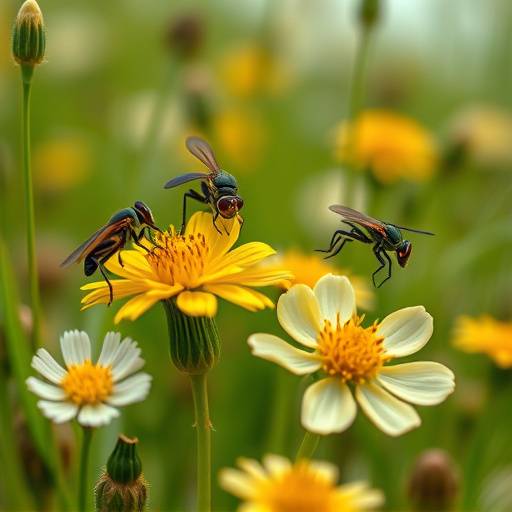
Beyond climate, the way land is utilized in Ireland has profound implications for biodiversity and rural communities. This installment explores the intricate relationship between agricultural practices, land management, and the preservation of Ireland's natural heritage. We investigate the decline of native species, the impact of intensive farming on soil health, and the potential for regenerative agriculture to foster both ecological balance and economic prosperity.
"The interconnectedness of our ecosystems is often underestimated," explains Professor Liam Murphy, an ecologist from University College Dublin. "When we disrupt one part of the chain, whether it's through habitat loss or the use of certain chemicals, the ripple effects can be devastating for the wider environment. Innovative land management, such as hedgerow restoration and species-rich grassland creation, is not just about conservation; it's about building resilience for the future."
Key areas explored include:
- The role of Common Agricultural Policy (CAP) reforms in shaping land use.
- Case studies of farms successfully integrating conservation practices.
- The economic benefits and challenges of diversified farming models.
- The importance of hedgerows and traditional field boundaries for wildlife corridors.
Deep Dive: The Digital Divide in Rural Ireland
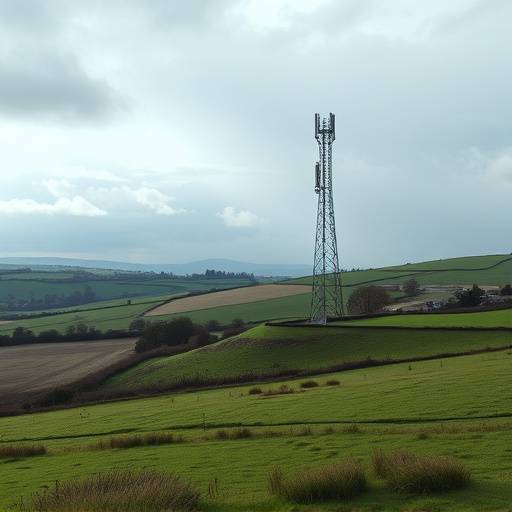
In an increasingly connected world, access to reliable high-speed internet is no longer a luxury but a necessity. This deep dive examines the persistent digital divide that continues to affect rural communities across Ireland, hindering economic development, educational opportunities, and social inclusion. Our reporters have travelled the length and breadth of the country to hear the stories of those left behind.
We present data on broadband penetration rates, highlighting stark disparities between urban centres and remote areas. Personal accounts from students struggling with remote learning, small business owners unable to compete online, and elderly individuals isolated from vital digital services paint a vivid picture of the challenges faced.
"It feels like we're living in a different century," says Fiona Doyle, a small business owner from County Mayo. "I can't even reliably send an email, let alone set up an online shop. My competitors in Dublin have an advantage I can never overcome without proper broadband. It's not just about convenience; it's about survival."
This report includes:
- An analysis of government broadband rollout schemes and their progress.
- Interviews with telecommunications providers and policymakers.
- The impact of poor connectivity on healthcare access and remote work opportunities.
- Innovative solutions being trialled in other countries that could be adapted for Ireland.
Data Journalism: The Economic Impact of Tourism on Irish Coastal Communities
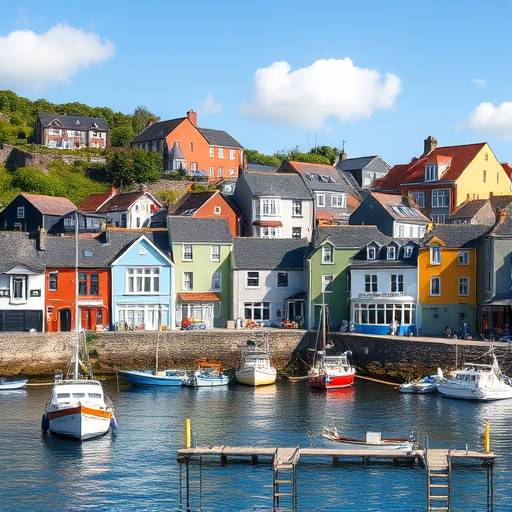
Tourism is a vital engine for the Irish economy, and nowhere is its impact more keenly felt than in our picturesque coastal communities. This data-driven report provides a comprehensive analysis of how the influx of visitors shapes local economies, employment, and infrastructure. We've crunched the numbers to reveal the true economic footprint of this crucial sector.
Economic Contributions and Employment
Our analysis reveals that tourism directly and indirectly supports thousands of jobs in coastal regions, from hospitality and retail to fishing and artisan crafts. We examine the seasonality of employment and the challenges faced by businesses in providing year-round work. The report details:
| County | Estimated Direct Revenue (€ Millions) | Estimated Indirect Revenue (€ Millions) | Total Jobs Supported |
|---|---|---|---|
| Clare | 285.5 | 170.2 | 6,500 |
| Galway | 410.8 | 255.1 | 9,800 |
| Cork (West) | 350.2 | 210.6 | 8,200 |
| Donegal | 220.9 | 135.8 | 5,100 |
| Wicklow | 195.3 | 110.5 | 4,300 |
Infrastructure and Sustainability
The increased visitor numbers also place demands on local infrastructure, including transport, waste management, and public services. This section investigates the strain on resources and explores sustainable tourism models that aim to mitigate environmental impact while maximizing community benefit. We look at the investment in green tourism initiatives and the challenges of preserving the natural beauty that attracts visitors in the first place.
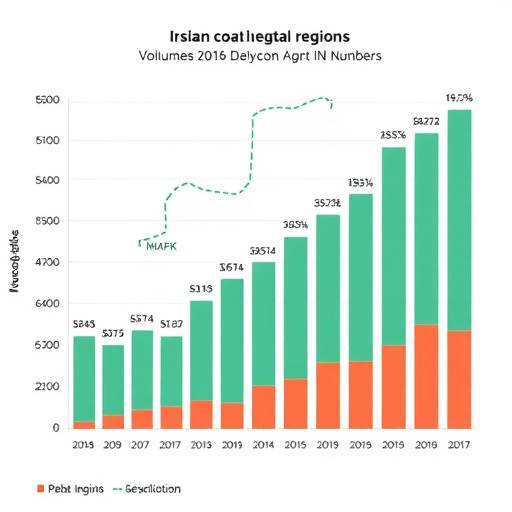
The visual above illustrates the significant growth in visitor numbers, underscoring the need for careful planning and investment in sustainable infrastructure.
Want to Support In-Depth Journalism?
Your contribution helps us continue to uncover critical stories and provide the in-depth analysis Ireland needs. Support the Irish Chronicle today.
Support Us